Living Room Bookshelf Illustrations: Cozy Visuals for Modern Projects
When you think about adding warmth and narrative to a design, sometimes a full typeface isn't quite what you need. Often, what elevates a layout from standard to memorable is a specific set of high-quality graphics that evoke a feeling. Living Room Bookshelf Illustrations is exactly that kind of design asset. It serves as a versatile collection of visual elements that bring the comfort of a home library into your creative work. Whether you are a designer looking for texture, a publisher needing thematic imagery, or a small business owner building a brand around education and relaxation, these illustrations offer a distinct personality that feels both intellectual and welcoming.
The Visual Appeal of Cozy Aesthetics
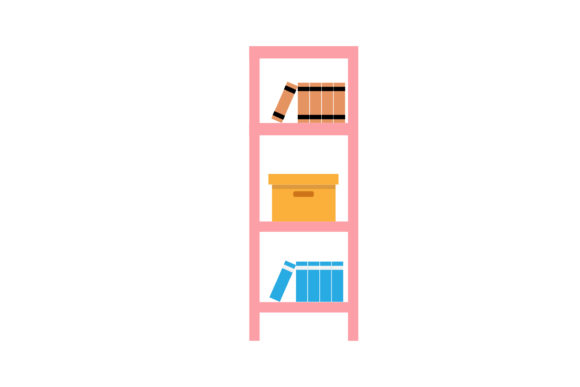
The strength of Living Room Bookshelf Illustrations lies in its ability to communicate a specific atmosphere instantly. Visually, these assets typically capture the essence of organized clutter and literary abundance. You will likely see detailed renderings of stacked hardcovers, vintage spines, reading glasses, potted plants, and perhaps a steaming mug of coffee. The style balances detail with clarity, ensuring that while the image looks rich, it doesn't become a muddy mess when scaled down.
The "personality" of this collection is undeniably studious yet relaxed. It appeals to the modern desire for "hygge" or cozy comfort. It avoids the sterility of modern minimalism without tipping into chaos. For a designer, this means you have access to imagery that feels human and lived-in. It is a premium font alternative in terms of visual weight—meaning it carries enough authority to stand alone as a focal point, but it is also subtle enough to serve as a background texture. If you are working on a project that requires a serif font or a handwritten font to feel "at home," these illustrations act as the perfect visual companion, grounding the typography in a tangible world.
Strategic Applications for Designers and Creators
Understanding where to deploy Living Room Bookshelf Illustrations is key to maximizing their value. Because these files are available in AI, EPS, SVG, DXF, JPG, and PNG formats, they are incredibly flexible across different mediums.
Editorial and Publishing Design: This is the most natural fit. If you are designing a magazine layout, a blog header, or a book cover, these illustrations provide immediate context. For a book review blog, using a snippet of a bookshelf as a watermark or a hero image establishes authority immediately. It pairs exceptionally well with classic serif fonts for body text, creating a seamless reading experience that feels curated and professional.
Branding and Packaging: For businesses in the education sector, coffee shops, or independent bookstores, this asset is invaluable. Imagine using a detailed bookshelf vector on a coffee bag label or a bookmark design. It helps build a brand identity centered around knowledge and leisure. When paired with a clean sans serif font for the logo, the illustration adds a layer of depth and history to the brand, suggesting that the business is established and trustworthy.
Digital Presence and Social Media: In the realm of web design and social media graphics, visual hierarchy is everything. Living Room Bookshelf Illustrations can serve as a textured background for quote cards or promotional banners. Because the canvas size is a generous 1920 px by 1280 px, you have plenty of resolution to crop specific sections for Instagram posts or use the full width for website banners. This ensures your digital presence looks sharp on retina displays.
Crafting and Physical Products: The availability of DXF and SVG files makes this collection a favorite among hobbyists and crafters. These vector formats are essential for cutting machines. You can use the outlines to create vinyl decals for library walls, custom stencils for furniture painting, or intricate paper-cut designs for scrapbooking. The scalability of the vector files means you can make a tiny sticker or a massive wall mural without losing quality.
Practical Guidance for Integration and Licensing
Integrating Living Room Bookshelf Illustrations into your workflow requires a bit of strategic thinking to ensure the final product remains professional.
Evaluating Project Fit and Pairings
Before you place the illustration, consider the "voice" of your project. If your project uses a modern, geometric sans serif font, the organic lines of the bookshelf illustration will create a pleasing contrast. However, if your typography is overly ornate or script-heavy, the image might compete for attention. The goal is readability and engagement. Use the illustration to frame your text, not to fight with it. For example, placing a dark bookshelf illustration behind light-colored text can create a stunning visual hierarchy, but ensure the contrast ratio is high enough for accessibility.
Editing and Customization
One of the guarantees of this asset is that it is easy to edit. If you are using the AI or EPS files, you can change the color of the book spines to match your brand’s specific color palette. This is a crucial step for brand consistency. Don't just accept the default colors; modify them to fit your identity. If you are a marketer creating a campaign for a specific season, you can edit the illustrations to feature autumnal tones or spring pastels, extending the utility of the asset year-round.
Licensing and Usage
When purchasing design assets like Living Room Bookshelf Illustrations, always review the licensing terms. Most premium assets allow for commercial use, which covers your client work, merchandise, and marketing materials. However, it is good practice to check if there are restrictions on print runs for physical merchandise or if the asset can be used in a logo that will be trademarked. Since the files are delivered in multiple formats, you are equipped for almost any output, from high-resolution print (JPG/PNG) to scalable web graphics (SVG) and manufacturing (DXF).
Ultimately, Living Room Bookshelf Illustrations is more than just a set of pictures; it is a storytelling tool. It allows content creators, designers, and entrepreneurs to tap into the universal love of reading and comfort. By choosing the right format, customizing the colors to fit your brand, and pairing it with complementary typography, you can transform a standard layout into an immersive experience that resonates deeply with your audience.